A room can look clean and still smell smoky. After a fire, smoke and soot may travel far beyond the visibly affected area, settling into porous materials, household contents, HVAC pathways, and building cavities. If the source of the odor remains, the smell can become noticeable again—especially when humidity rises or the space warms up.
Smoke Travels Beyond What You Can See
Smoke residue is made up of fine particles and compounds created by the materials that burned. Those residues can land on walls and ceilings, work into carpet and upholstery, and reach adjoining rooms. A quick wipe-down may improve the appearance of a surface, but it may not address residue in hidden or absorbent materials.
Surface Cleaning May Leave the Odor Source Behind
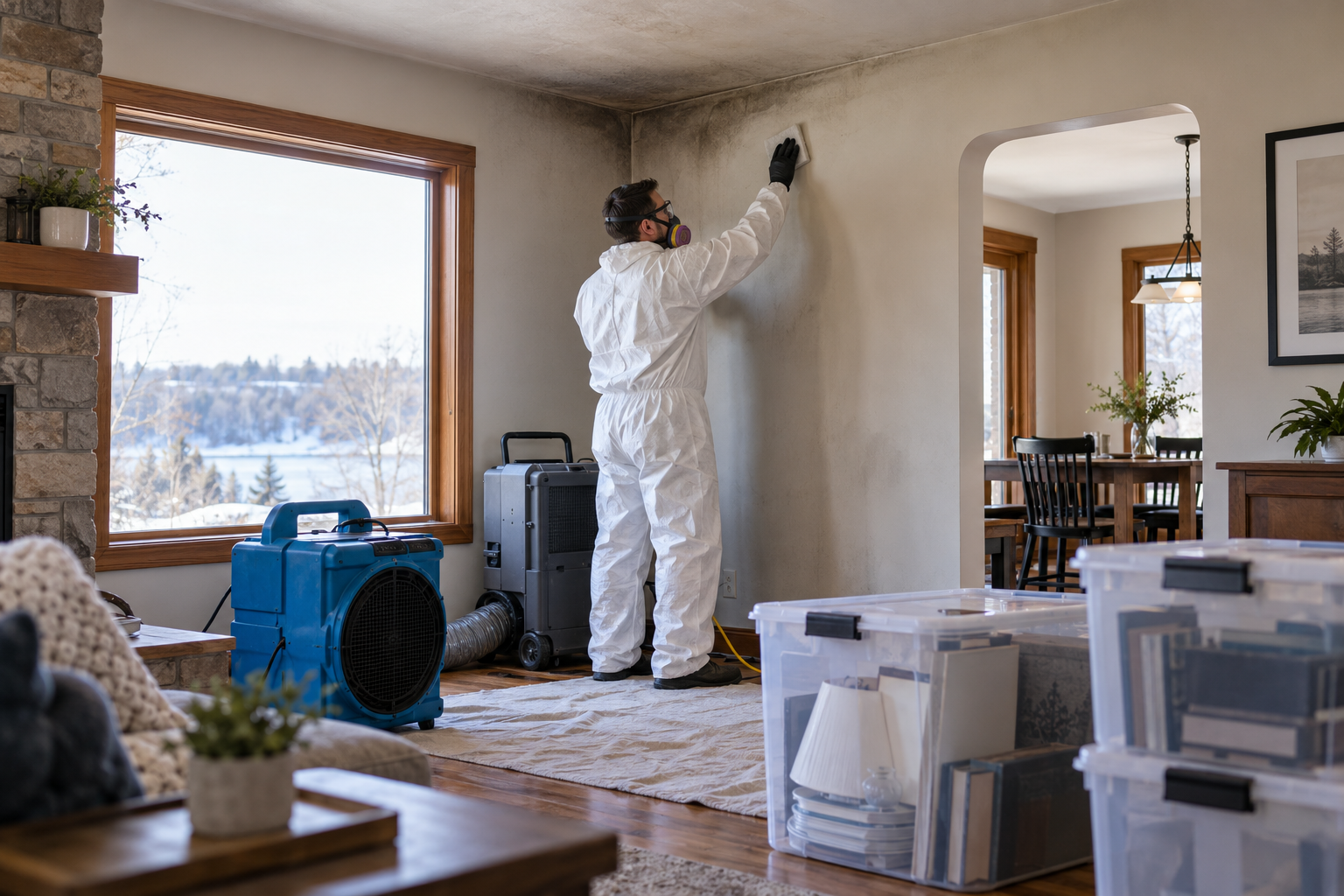
Professional fire and smoke damage restoration services begin with an assessment of where smoke traveled and which materials were affected. The cleaning method should match the surface and the type of residue present. Technicians may clean soot from structural surfaces, remove materials that cannot be restored, and use odor-control steps as part of a broader source-removal plan. Deodorization works best after the remaining contamination has been identified and addressed—not as a substitute for cleaning.
Contents and Textiles Need Their Own Plan
Furniture, clothing, rugs, electronics, and keepsakes can each respond differently to smoke exposure. Some items may be cleaned on site, while others may need to be inventoried, packed out, and treated in a controlled setting. Separating affected contents also helps restoration teams clean the structure more thoroughly and document what may be restorable.
Air Cleaning Is One Part of the Process
Air scrubbers and other professional equipment can help capture airborne particles while cleaning is underway. Depending on the conditions, deodorization methods may also be used to treat remaining odor. The right approach depends on the fire, the materials involved, and the extent of smoke migration, so a site-specific plan is important.
Firefighting Water Can Create a Second Problem
Water used to extinguish a fire can soak flooring, drywall, insulation, and contents. That moisture may require extraction and structural drying alongside soot and odor cleanup. Addressing both fire residue and excess moisture can reduce the chance that hidden damage complicates recovery.
Some Materials May Need Repair or Replacement
When smoke residue or heat damage cannot be removed safely from a finish or building material, sealing, repair, or reconstruction may be appropriate. Coordinating cleanup with structure cleaning and repair can create a clearer path from emergency stabilization to a finished space. Photos, inventories, and work documentation may also help with an insurance claim, depending on the policy and situation.
When to Request a Professional Assessment
If smoke odor persists, soot reappears on cleaned surfaces, or affected materials extend beyond the original room, consider a professional evaluation. Steamatic of Eau Claire provides fire and smoke damage restoration, contents care, structural drying, and repair support for homes and businesses in Eau Claire, Altoona, Chippewa Falls, and surrounding communities.
Smoke Odor Still Lingering After a Fire?
Call Steamatic of Eau Claire at 715-834-8822 for 24/7 fire and smoke damage restoration support. The team can assess soot, odor, contents, moisture, and repair needs and recommend an appropriate next step.